Independent freight forwarders can compete globally without a network by finding, vetting and managing overseas partners themselves, but this requires significant time, resources and risk management. A freight forwarding network provides a structured alternative: access to an international community, facilitated relationship-building, specialist expertise and wider coverage while members retain their brand, ownership and customer relationships.
Can Independent Freight Forwarders Compete Globally Without a Network?
Every freight forwarder eventually faces the same question.
Should we continue building international partnerships independently?
Or should we join a freight forwarding network?
Both approaches can work.
Many successful logistics companies have built strong global relationships through years of personal contacts, referrals, and operational experience.
At the same time, freight forwarding networks have become one of the most effective ways for independent forwarders to expand internationally without opening their own offices abroad.
The challenge is understanding which approach best supports your company’s growth.
What Does "Going Alone" Actually Mean?
For most freight forwarders, going alone means:
Finding overseas agents independently
Vetting new partners manually
Building relationships one company at a time
Researching unfamiliar markets
Managing all validation processes internally
This strategy gives companies complete freedom.
However, it also requires substantial time, effort, and risk management.
Every new partnership must be developed from scratch.
And every new market requires a new search for reliable local representation.
The Advantages of Going Alone
There are certainly benefits.
Complete Independence
You are not restricted by membership rules or network policies.
Maximum Flexibility
You can work with any company in any market.
No Membership Fees
There are no annual network costs.
Full Partner Control
Every relationship is selected directly by your own team.
For some forwarders, particularly those with well-established international contacts, this approach may be sufficient.
The Challenges of Going Alone
However, independent expansion presents several challenges.
Finding Trusted Partners Takes Time
Identifying reliable agents in unfamiliar markets is often difficult.
Validation Can Be Complicated
Background checks, references, financial stability reviews, and service evaluations all require resources.
Relationships Develop Slowly
Trust takes time to build.
Global Coverage Is Harder to Scale
Every new market requires a new search process.
Many freight forwarders eventually discover that international expansion becomes increasingly difficult without access to a broader community of trusted partners.
What Is a Freight Forwarding Network?
A freight forwarding network connects independent logistics companies across multiple countries.
The objective is simple:
Help members build trusted relationships, share opportunities, and strengthen international coverage while remaining independent.
Forwarders maintain their own brand, ownership structure, and customer relationships.
The network simply provides a framework for cooperation.
For example, PANCO's Freight Forwarding Network was created to help independent logistics companies collaborate globally while preserving their identity and independence.
The Advantages of Joining a Freight Forwarding Network
Immediate Access to Trusted Partners
Instead of starting from zero, members gain access to an existing international community.
A strong Global Freight Network provides worldwide coverage through established freight forwarding relationships.
Faster Market Expansion
Members can access new regions without searching for unknown agents.
Greater Visibility
Networking events and member communities increase exposure.
Industry Specialisation
Members can connect with partners specialising in:
Healthcare logistics
Project cargo
Perishable logistics
Dangerous goods
Time-critical freight
For example:
Pharma Logistics Network for healthcare cargo.
Project Cargo Network for oversized and industrial shipments.
Perishables Logistics Network for temperature-sensitive food supply chains.
Why Relationships Matter More Than Directories
Some people mistakenly believe freight forwarding networks are simply online directories.
The strongest networks are much more than that.
They create opportunities for members to:
Meet face-to-face
Build trust
Learn about each other's capabilities
Develop long-term business relationships
This is why networking events remain such an important part of freight forwarding communities.
Freightcamp: Turning Introductions Into Partnerships
One of the biggest advantages of a network is the ability to meet partners in person.
Networking events help members:
Understand each other's businesses
Build personal relationships
Explore commercial opportunities
Evaluate operational capabilities
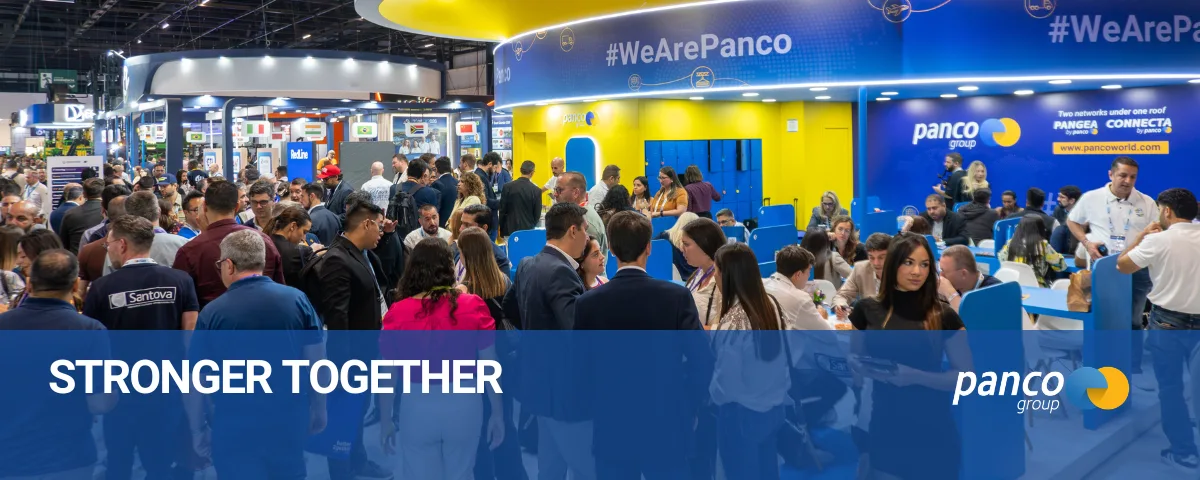
PANCO's Freightcamp meetings are built around this philosophy: turning introductions into working relationships.
In logistics, people are far more likely to trust someone they have met than someone they have only exchanged emails with.
How Do You Know If a Network Is Active?
Before joining any network, look for signs of genuine activity.
Questions to ask include:
Are members collaborating?
Are networking events organised?
Are success stories visible?
Is there evidence of business exchange?
Do members actively participate?
One way to assess this is through the PANCO Member News Hub, where members regularly publish examples of international cooperation, specialist cargo operations, and successful logistics projects.
Active members typically generate active opportunities.
So Which Option Is Better?
There is no universal answer.
Companies with strong international relationships may continue operating successfully without joining a network.
However, many independent forwarders find that a professional network helps accelerate growth, reduce risk, and strengthen global capabilities.
The best networks do not replace your independence.
They enhance it.
They provide access to relationships, markets, and opportunities that would otherwise take years to develop.
Final Thoughts
Independent freight forwarders no longer need to choose between remaining local or becoming multinational.
A strong freight forwarding network offers a middle path.
One that combines:
✅ Independence
✅ Global reach
✅ Trusted partners
✅ Specialist expertise
✅ Industry relationships
✅ Business development opportunities
The question is not whether you can build international partnerships on your own.
Of course you can.
The real question is:
How much faster can you build them when you are part of the right community?
- Comparison
- Freight forwarding network vs. independently building overseas partnerships
- Going alone
- Manual partner searches, internal validation and self-organised relationship building
- Network model
- Independent logistics companies cooperate across multiple countries while retaining their own identity
- Network benefits
- Structured partner access, facilitated relationships, specialist expertise and international coverage
- Specialist areas
- Healthcare logistics, project cargo, perishable logistics, dangerous goods and time-critical freight
- PANCO activity
- Freightcamp meetings are designed to turn introductions into working relationships
Fast facts
Can independent freight forwarders compete globally without joining a network?
Yes. Forwarders can build international partnerships through personal contacts, referrals and operational experience, but each new market requires a separate search for reliable local representation.
What does going alone mean for a freight forwarder?
Going alone involves independently finding overseas agents, manually vetting partners, researching unfamiliar markets and managing validation processes internally.
What are the main advantages of joining a freight forwarding network?
A network gives members access to an existing international community, faster access to new regions, greater visibility through events and member communities, and connections with specialist logistics partners.
Do freight forwarding networks affect a member's independence?
No. Members retain their own brand, ownership structure and customer relationships. The network provides a framework for cooperation rather than replacing independence.
How can a forwarder assess whether a network is active?
Look for member collaboration, organised networking events, visible success stories, evidence of business exchange and active member participation.