
PANCO member YASUDA in Japan has published an overview of tariff reduction programmes for international apparel trade, covering GSP, RCEP and measures for materials processed overseas and re-imported into Japan. YASUDA explains that eligibility for preferential treatment depends on factors including product category, origin requirements, documentation conditions and trading partner countries.
YASUDA, PANCO member in Japan, has published an overview of several tariff reduction programmes that may benefit companies involved in international apparel trade.
The update highlights how customs duties can have a significant impact on sourcing and procurement costs, while also explaining that preferential tariff schemes may be available when specific origin requirements and documentation conditions are met.
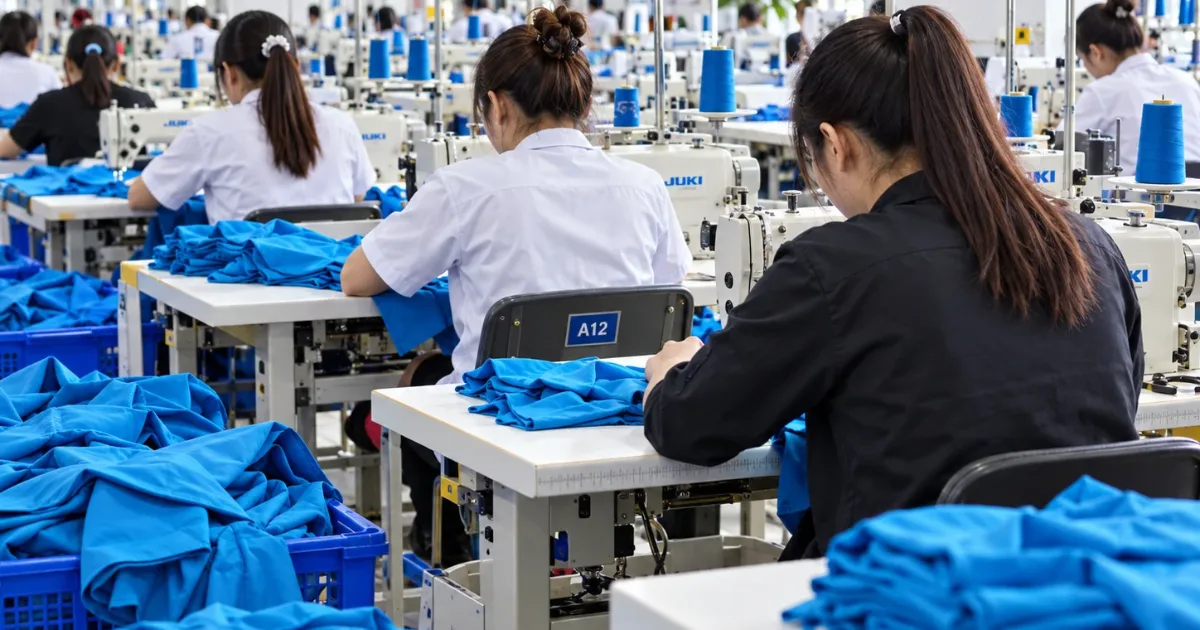
Among the programmes covered is the Generalized System of Preferences (GSP), which can provide reduced or duty-free tariff treatment for eligible products originating from designated developing countries. The article references manufacturing locations such as Myanmar, Cambodia and Bangladesh where qualifying apparel products may benefit from preferential treatment.
YASUDA also outlines the opportunities available through the Regional Comprehensive Economic Partnership (RCEP), one of the largest free trade agreements in the Asia-Pacific region. The agreement supports regional trade through tariff reductions and streamlined procedures, with examples including manufacturing activities in countries such as Indonesia and Vietnam.
In addition, the update reviews customs duty reduction measures that may apply when materials are exported for overseas processing and subsequently re-imported into Japan, as well as other trade agreements that can provide tariff benefits depending on product category, origin requirements and trading partner countries.
By sharing this practical information, YASUDA aims to help apparel industry stakeholders better understand the available customs frameworks and assess opportunities to optimise international trade costs.
For more information, please visit https://www.yasuda-soko.co.jp/
- Company
- YASUDA
- Country
- Japan
- Network
- PANCO
- Topic
- Tariff reduction opportunities for international apparel trade
- Programmes covered
- Generalized System of Preferences (GSP), Regional Comprehensive Economic Partnership (RCEP), overseas processing duty reduction measures and other trade agreements
- Eligibility factors
- Product category, origin requirements, documentation conditions and trading partner countries
Fast facts
What does YASUDA’s apparel trade update cover?
YASUDA’s update reviews tariff reduction programmes that may help apparel industry stakeholders assess opportunities to reduce international trade costs, subject to eligibility requirements.
How can GSP benefit eligible apparel products?
According to YASUDA’s overview, GSP can provide reduced or duty-free tariff treatment for eligible products originating from designated developing countries. The overview references Myanmar, Cambodia and Bangladesh as manufacturing locations where qualifying apparel products may benefit.
What opportunities does YASUDA identify under RCEP?
YASUDA explains that RCEP supports regional trade through tariff reductions and streamlined procedures, with examples involving manufacturing activities in Indonesia and Vietnam.
What does the update say about overseas processing?
The update reviews customs duty reduction measures that may apply when materials are exported for overseas processing and subsequently re-imported into Japan.
What conditions affect access to preferential tariffs?
YASUDA’s overview identifies product category, origin requirements, documentation conditions and trading partner countries as factors affecting eligibility for tariff benefits.