Project cargo requires specialized freight networks that prioritize technical expertise, strong local knowledge, and active communication among members. Unlike standard logistics, project cargo involves complex, high-value shipments that demand careful planning and reliable partners to ensure successful delivery and minimize risks.
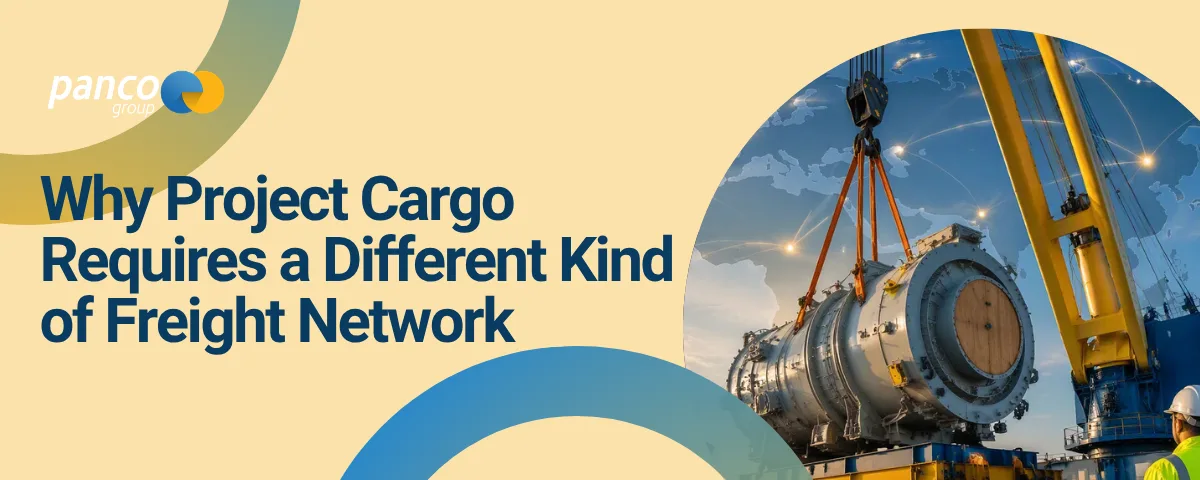
Why Project Cargo Requires a Different Kind of Freight Network
Not all freight forwarding is created equal.
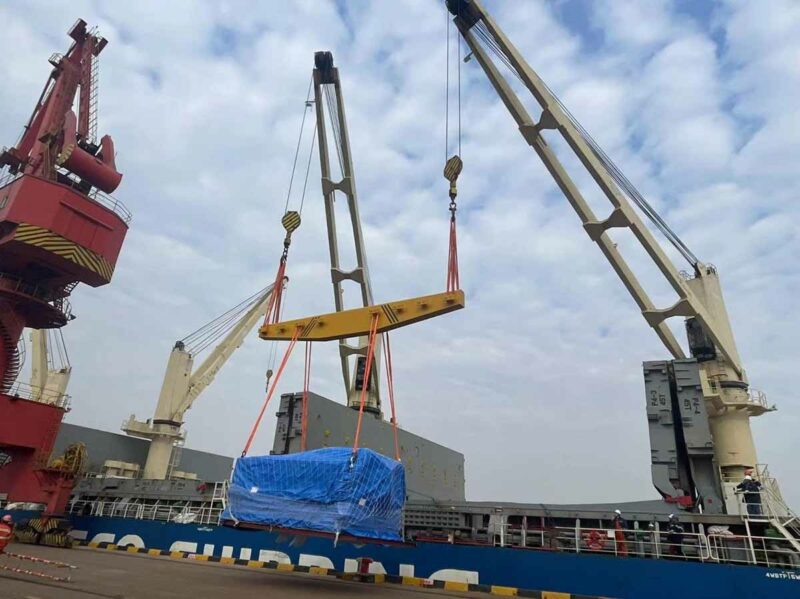
Moving a standard container from Shanghai to Rotterdam is very different from transporting a 150-ton transformer to a remote mining site, coordinating a multi-country wind farm project, or handling oversized industrial equipment for a major infrastructure development.
Project cargo is one of the most specialised sectors within logistics.
It requires exceptional planning, technical expertise, operational precision, and strong local knowledge.
For companies operating in this sector, choosing the right freight forwarding network is often far more important than simply finding global coverage.
A project cargo specialist needs partners they can trust with high-value, high-risk, and highly complex shipments.
The wrong partner can lead to delays, cost overruns, damaged equipment, contractual penalties, and reputational damage.
The right partner can become a strategic extension of your business.
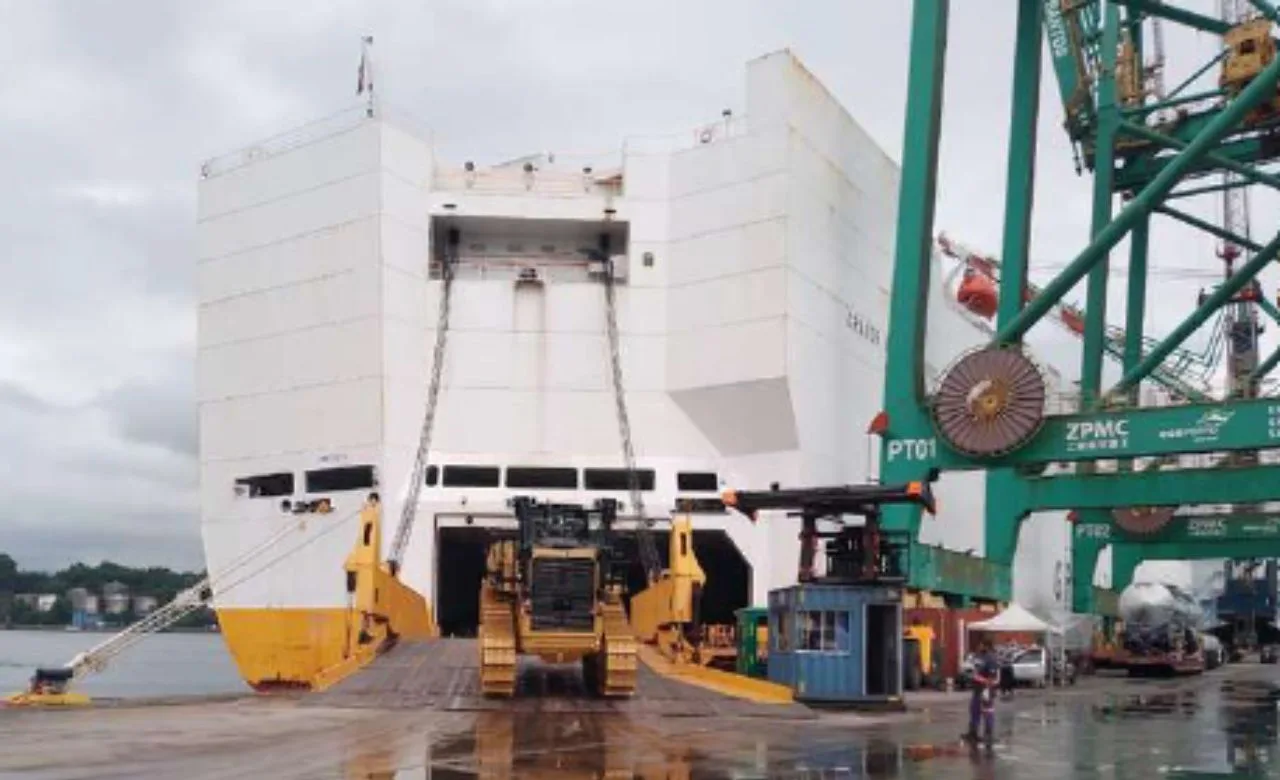
Project cargo refers to the transportation of large, complex, high-value, or oversized pieces of equipment that require individual planning and special handling.
Typical examples include:
Wind turbines
Industrial machinery
Power plant components
Oil and gas equipment
Mining machinery
Construction materials
Transformers
Heavy engineering structures
Infrastructure project cargo
Unlike traditional freight movements, project shipments often involve:
Multi-modal transportation
Route surveys
Crane operations
Special permits
Escort vehicles
Engineering studies
Port handling expertise
The level of complexity is significantly higher than standard logistics operations.
Project logistics is rarely local.
A single shipment may involve:
Manufacturing in China
Port operations in Singapore
Ocean transport via the Middle East
Customs clearance in Africa
Inland delivery to a remote project site
Every stage relies on local expertise.
No company can maintain specialists in every market.
This is why project cargo companies often rely heavily on trusted global partners.
The quality of those partners directly affects project success.
A strong freight network provides access to companies with local experience, specialised equipment knowledge, and operational capabilities in multiple regions.
Not every logistics network is designed for project specialists.
Some focus primarily on general cargo.
Others cater to SME freight forwarders.
Project cargo operators should evaluate networks using different criteria.
The first question should be:
Do the members actually understand project cargo?
Look for networks that include companies experienced in:
Heavy lift logistics
Out-of-gauge cargo
Industrial projects
Infrastructure developments
Energy logistics
Technical competence matters.
Project cargo requires far more than simply booking transportation.
Your partners should understand engineering constraints, risk management, and operational planning.
Certain regions generate significant project cargo activity.
For example:
Middle East energy projects
African mining developments
Southeast Asian infrastructure investments
Renewable energy projects in Europe and North America
Emerging industrial markets in Latin America
A strong project cargo network should have experienced members in these strategic locations.
Coverage is important.
Relevant coverage is even more important.
One of the biggest risks in project logistics is underestimating local conditions.
Questions that project cargo specialists constantly face include:
Are permits required?
What are the axle load limits?
Which roads can accommodate oversized cargo?
What crane capacity is available locally?
Are there seasonal restrictions?
Strong local partners help answer these questions before they become expensive problems.
The best freight networks provide access to professionals who understand their markets in detail.
Project logistics leaves little room for communication failures.
A delayed response may impact:
Vessel schedules
Crane bookings
Construction timelines
Equipment delivery dates
For this reason, active communication is critical.
When evaluating a network, ask:
How engaged are the members?
Do they attend events?
How quickly do they respond?
How frequently do they collaborate?
An active community often delivers better project outcomes than a large but passive organisation.
Trust is essential in project cargo.
When handling high-value shipments worth millions of dollars, companies want to know exactly who they are working with.
This is why annual conferences, project cargo meetings, and one-to-one networking events remain so important.
Meeting partners personally often provides more confidence than months of email exchanges.
Many successful project logistics partnerships begin through face-to-face interactions rather than online introductions.
Many freight forwarders make the mistake of choosing a network based solely on:
Size
Brand recognition
Number of members
While these factors have value, they do not guarantee project cargo competency.
A more effective approach is to evaluate:
✅ Specialist expertise
✅ Project references
✅ Local knowledge
✅ Member engagement
✅ Industry focus
✅ Relationship quality
These factors often have a greater impact on project success than network size alone.
The logistics industry continues to evolve.
Today's customers expect more than transportation.
They expect expertise.
Project owners increasingly look for logistics partners who understand:
Renewable energy
Oil and gas
Mining
Construction
Infrastructure
Manufacturing
As projects become larger and more complex, specialist knowledge becomes more valuable.
This trend is also changing how freight forwarders evaluate networks.
Many companies now prioritise quality and expertise over membership numbers.
Before committing to any freight forwarding network, consider asking:
How many members specialise in project cargo?
Which regions have strong project capabilities?
Are there dedicated heavy lift specialists?
How are members evaluated?
Do members collaborate regularly?
Are project cargo workshops or meetings organised?
Can existing members provide references?
What major projects have members participated in?
How active is the project cargo community?
Does the network encourage business exchange among specialists?
The answers will reveal far more than any membership brochure.
As global infrastructure investment continues to grow, project logistics will become even more specialised.
The most successful freight networks will be those that can connect:
High-quality specialists
Strategic project markets
Local expertise
Strong relationships
Reliable operational capabilities
The future belongs to networks that create genuine collaboration rather than simply maintaining large member directories.
Because project cargo success depends on execution.
And execution depends on the quality of your partners.
Choosing the right freight forwarding network is particularly important for project cargo specialists.
The stakes are higher.
The risks are greater.
The operational complexity is significant.
The best project cargo networks provide more than geographic coverage.
They provide access to trusted specialists who understand the unique demands of heavy lift and project logistics.
When evaluating your options, focus on:
Technical expertise
Local knowledge
Active members
Strong relationships
Industry specialisation
Because in project cargo, the right partner can make the difference between a successful delivery and a costly mistake.
And the right network can help you find those partners around the world.
- Specialized Equipment
- Transformers, wind turbines, industrial machinery, power plant components
- Key Requirements
- Technical expertise, local knowledge, active communication, face-to-face relationships
- Common Mistakes
- Choosing based on size, brand recognition, or number of members
- Industries Involved
- Renewable energy, oil and gas, mining, construction, infrastructure
- Project Cargo Activities
- Multi-modal transportation, route surveys, crane operations, special permits
Fast facts
What is project cargo?
Project cargo refers to the transportation of large, complex, high-value, or oversized pieces of equipment that require individual planning and special handling.
Why do project cargo specialists need strong international partners?
Project logistics often involves multiple countries, and strong international partners provide local expertise and operational capabilities essential for project success.
What makes a freight network suitable for project cargo?
A suitable freight network for project cargo should have members with technical expertise, geographic strength in project markets, proven local knowledge, active communication, and face-to-face relationships.
What are common mistakes when choosing a project cargo network?
Common mistakes include choosing based solely on size, brand recognition, or number of members rather than evaluating specialist expertise and local knowledge.
What should project cargo companies ask before joining a network?
Companies should ask about member specialization in project cargo, regional capabilities, collaboration frequency, and if members can provide project references.