An active freight forwarding network is identified by regular member interaction, visible collaboration and evidence that introductions lead to shipments. Freight forwarders should assess networking events, member news, specialist-sector support, participation in meetings and workshops, quality processes, and published examples of cross-border cooperation rather than relying only on membership, country, or office totals.
Why Activity Matters More Than Membership Numbers
When freight forwarders evaluate a logistics network, most begin by looking at the obvious statistics:
Number of members
Number of countries covered
Number of offices worldwide
These figures are important.
However, they do not tell the full story.
A network may have thousands of members and still generate very little interaction.
Another network may be much smaller but create significantly more opportunities because members actively collaborate, communicate, and build relationships.
The real question is not:
"How many members does the network have?"
The real question is:
"How active are the members?"
Because active networks create opportunities.
Passive networks simply maintain directories.
Why Active Networks Perform Better
Freight forwarding remains a relationship-driven business.
Customers trust people.
Forwarders trust partners.
Partners trust relationships.
An active freight forwarding network creates an environment where those relationships can develop naturally.
This often results in:
✅ More shipment referrals
✅ Faster communication
✅ Better collaboration
✅ Greater visibility for members
✅ More networking opportunities
✅ Stronger long-term partnerships
The more active the network, the greater the potential value for its members.
Sign #1: Members Meet Each Other Regularly
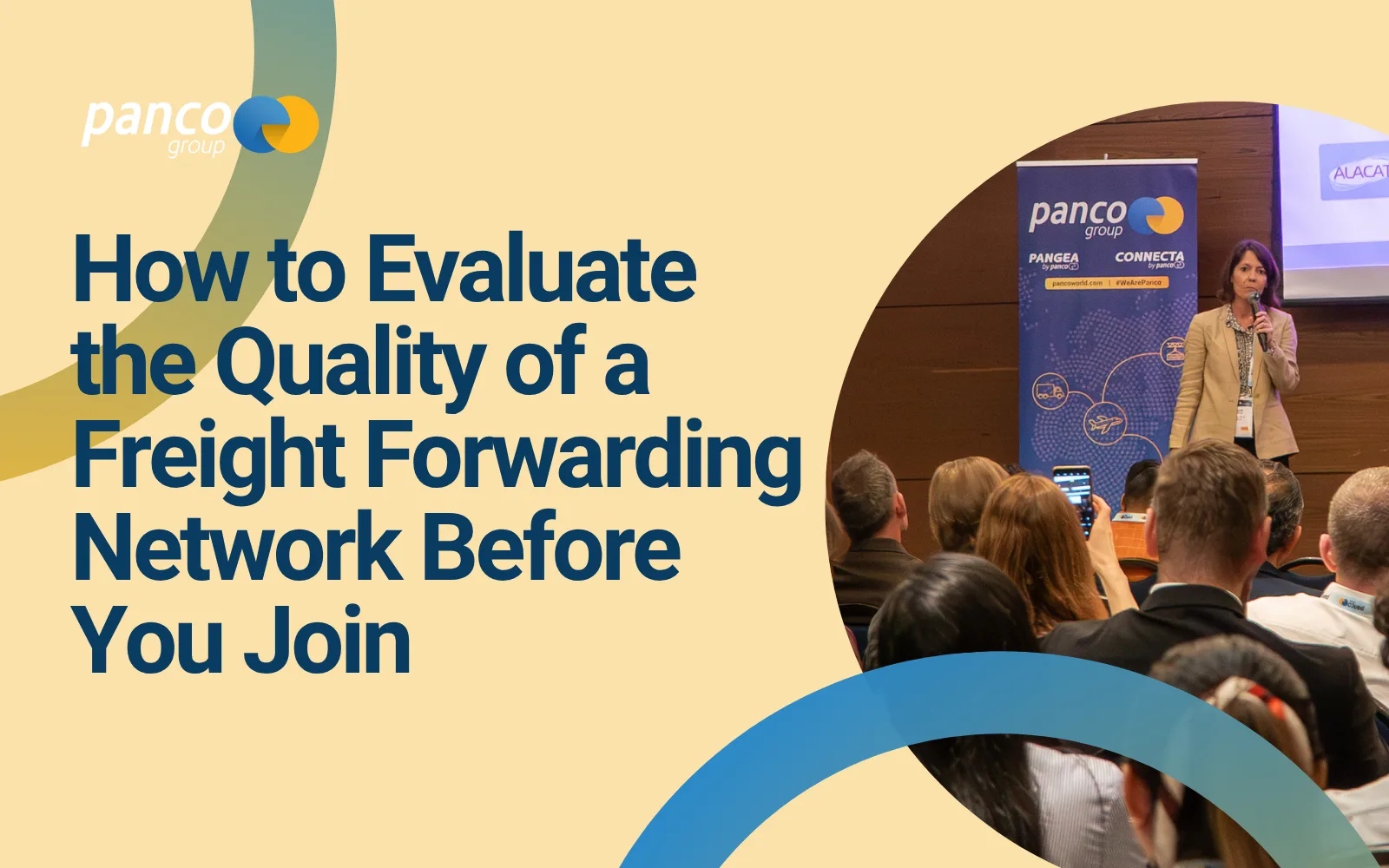
One of the strongest indicators of activity is the presence of regular networking events.
A network that encourages members to meet face-to-face is generally investing in long-term relationship building.
Look for:
Annual conferences
Regional meetings
One-to-one business sessions
Specialist workshops
Networking events
Strong networks understand that introductions become partnerships when members have opportunities to interact in person.
Events such as Freightcamp help transform a list of contacts into real business relationships.
Sign #2: Members Are Visible
If you want to understand whether a freight network is active, ask a simple question:
Can you see the members doing business?
Many networks claim to facilitate cooperation.
Far fewer provide visible evidence.
Look for:
Transaction stories
Shipment highlights
Member announcements
Industry participation
Collaboration examples
PANCO's Member News Hub allows visitors to see examples of real member activity, international cooperation, specialist cargo handling, and logistics projects taking place across the community.
Visible activity is often the best proof of actual engagement.
Sign #3: The Network Promotes Collaboration
Active networks encourage members to work together.
They create opportunities through:
Business introductions
Networking meetings
Industry sectors
Member visibility initiatives
Shared learning experiences
The objective is not simply increasing membership numbers.
The objective is creating meaningful interaction between members.
Networks that actively support collaboration generally create greater long-term value.
Sign #4: The Network Supports Specialist Segments
A strong indicator of network maturity is whether specialist logistics sectors are supported.
For example:
Healthcare and Pharmaceutical Logistics
Companies handling regulated healthcare cargo often need specialist partners.
Learn more about PANCO's Pharma Logistics Network.
Project Cargo
Heavy lift and oversized shipments require particular expertise and planning.
Explore the Project Cargo Network.
Perishable Logistics
Temperature-sensitive products require cold-chain discipline and local expertise.
Discover the Perishables Logistics Network.
Specialist communities often create deeper engagement because members share similar operational challenges.
Sign #5: Members Participate in Events
Activity is not measured by how many people join a network.
It is measured by how many participate.
A healthy freight forwarding network typically sees strong involvement in:
Conferences
Workshops
One-to-one meetings
Training sessions
Industry discussions
Participation demonstrates commitment.
And committed members are often the companies most likely to create opportunities for others.
Sign #6: New Relationships Lead to Real Shipments
One of the clearest indicators of network activity is whether introductions become operational cooperation.
Successful freight networks consistently create:
Cross-border partnerships
Shipment referrals
New trade lanes
Long-term business relationships
For example, PANCO regularly publishes examples of members collaborating on healthcare logistics, project cargo, and international freight operations after connecting through network activities.
When introductions result in real shipments, the network is functioning as intended.
Sign #7: The Network Invests in Member Quality
Active communities usually prioritise quality.
Why?
Because reliable companies are more likely to collaborate successfully.
Before joining any freight forwarding network, investigate:
Membership requirements
Review procedures
Acceptance standards
Company verification processes
A strong member base often contributes directly to higher levels of engagement and trust.
Warning Signs of an Inactive Network
Be cautious if you find:
❌ Little evidence of collaboration
❌ Rare or non-existent events
❌ No visible member activity
❌ Outdated communication channels
❌ No success stories
❌ Weak networking opportunities
❌ Minimal specialist support
These factors may indicate limited engagement among members.
Why Active Networks Generate More Business
Business opportunities do not emerge from membership statistics.
They emerge from interaction.
When members:
Know each other
Trust each other
Meet regularly
Communicate frequently
they naturally become more likely to exchange opportunities and collaborate on customer requirements.
This is one reason why active freight forwarding networks tend to outperform larger but less engaged organisations.
Questions to Ask Before Joining
Before committing to a network, ask:
How many networking events are organised each year?
How can I see evidence of member activity?
Are member success stories published?
What specialist sectors are supported?
How active are the members?
Are there opportunities for direct introductions?
How does the network encourage collaboration?
The answers will often reveal more than membership statistics ever could.
- Key measure
- Member activity and participation rather than membership numbers alone
- Activity indicators
- Regular events, visible member activity, collaboration, specialist support, and operational cooperation
- Networking formats
- Annual conferences, regional meetings, one-to-one business sessions, workshops, and networking events
- Specialist segments
- Healthcare and pharmaceutical logistics, project cargo, and perishable logistics
- Evidence of engagement
- Transaction stories, shipment highlights, member announcements, industry participation, and collaboration examples
- Warning signs
- Little collaboration, rare events, no visible activity, outdated communication, no success stories, and weak networking opportunities
Fast facts
Why does activity matter more than membership numbers in a freight forwarding network?
Membership, country, and office totals do not show whether companies interact. Active member collaboration, communication, and relationship building are what create opportunities such as referrals, partnerships, and shipments.
What are the main signs of an active freight forwarding network?
Key signs include regular networking events, visible member activity, support for collaboration and specialist segments, strong participation in meetings and workshops, real shipments resulting from introductions, and attention to member quality.
How can a freight forwarder verify member activity in a network?
Look for transaction stories, shipment highlights, member announcements, industry participation, and examples of collaboration. PANCO's Member News Hub provides examples of member activity, international cooperation, specialist cargo handling, and logistics projects.
What should a company ask before joining a freight forwarding network?
Ask how many networking events are organised each year, how member activity and success stories are demonstrated, which specialist sectors are supported, whether direct introductions are available, and how the network encourages collaboration.
What are warning signs of an inactive freight forwarding network?
Warning signs include little evidence of collaboration, rare or non-existent events, no visible member activity, outdated communication channels, no success stories, weak networking opportunities, and minimal specialist support.